Field Readings I, 2026
Two-channel video installation with sound, photographic lightboxes
12 min, continuous loop
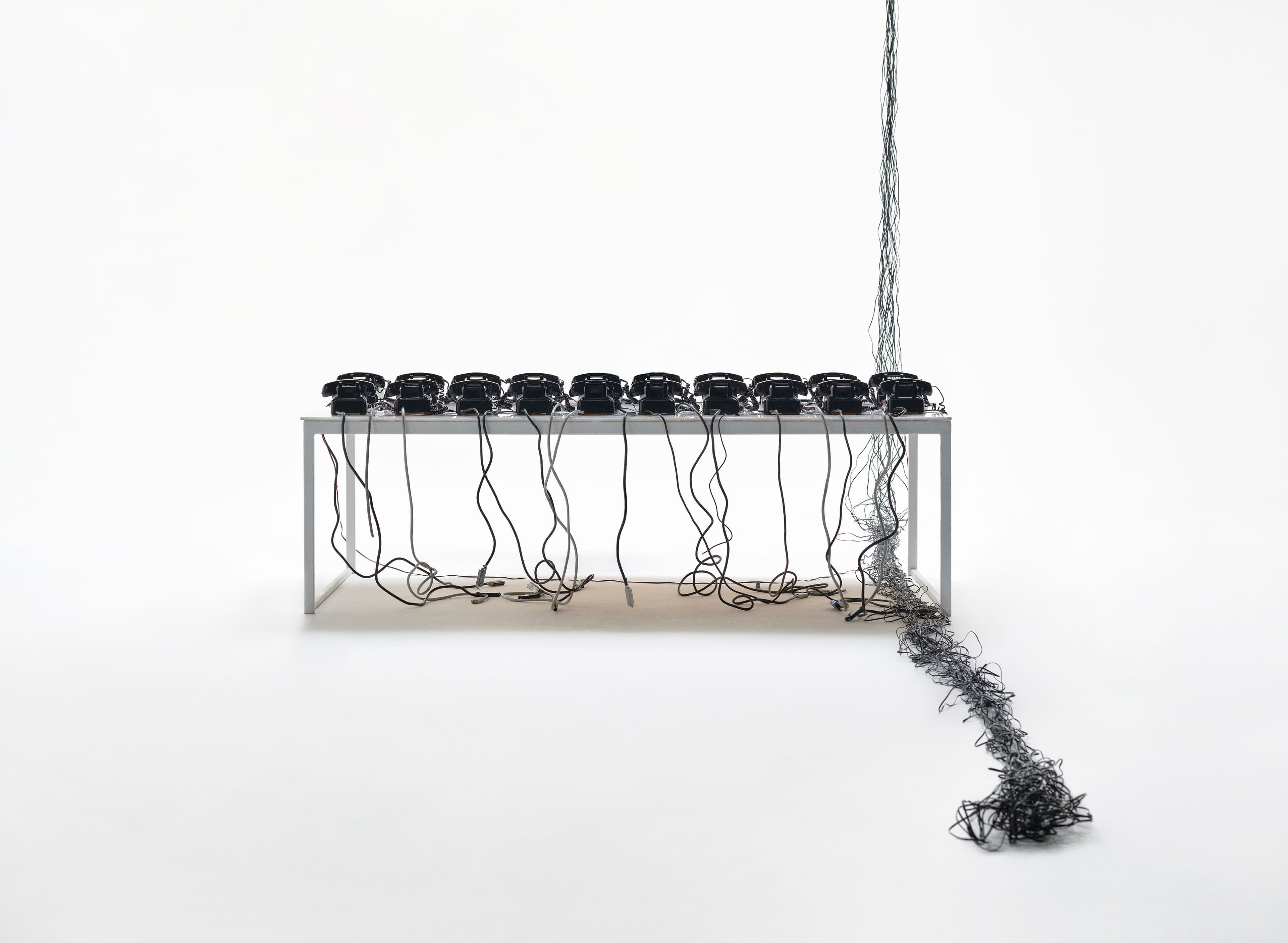
Field Readings I · 2026 · Backlit inkjet transparency, painted aluminum lightbox · Dimensions variable · Ed. 3 + 2 AP
Field Readings I — Teaser, 2026
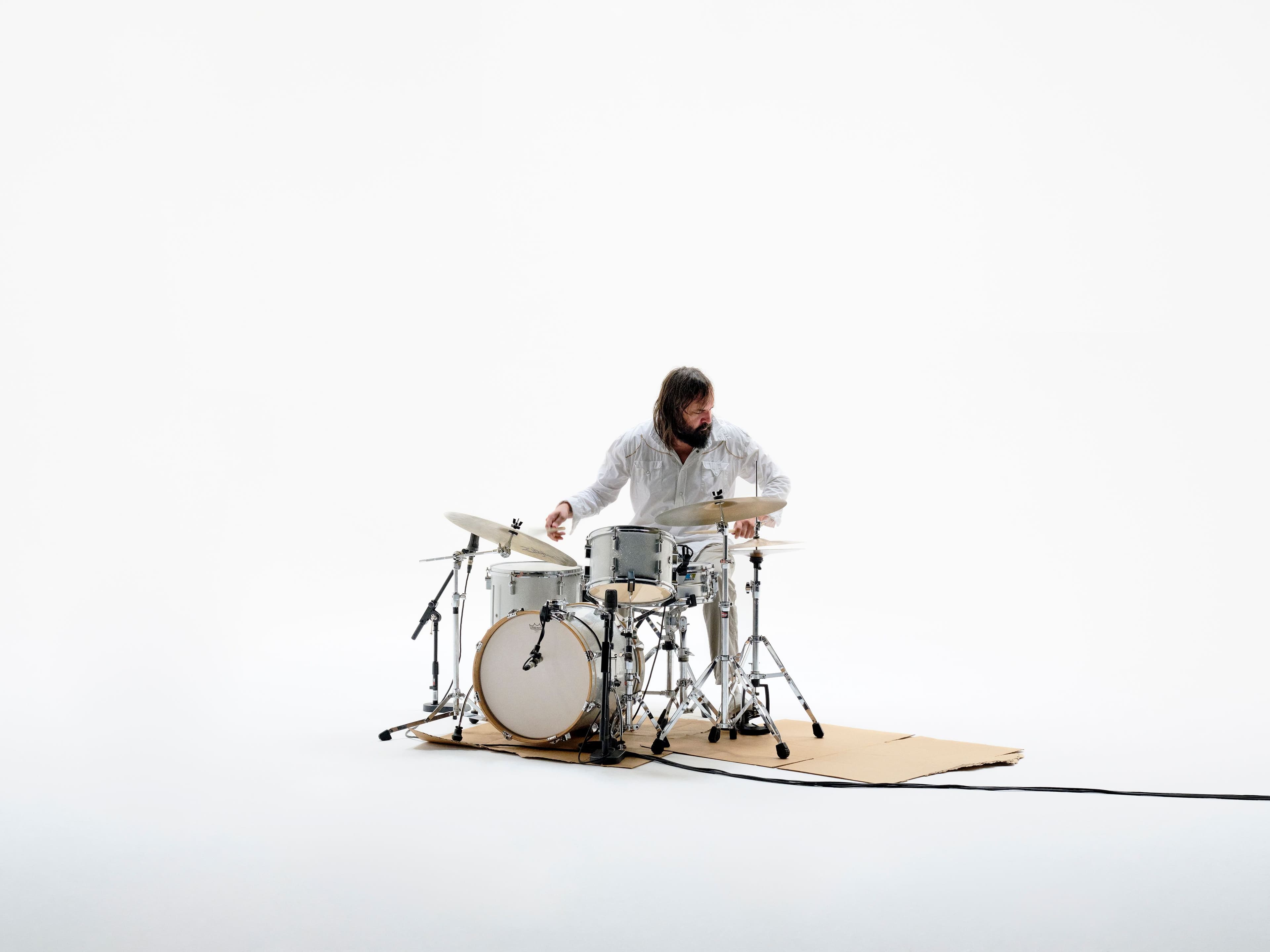
Field Readings I - Sawyer · 2026 · Backlit inkjet transparency, painted aluminum · Ed. 3 + 2 AP
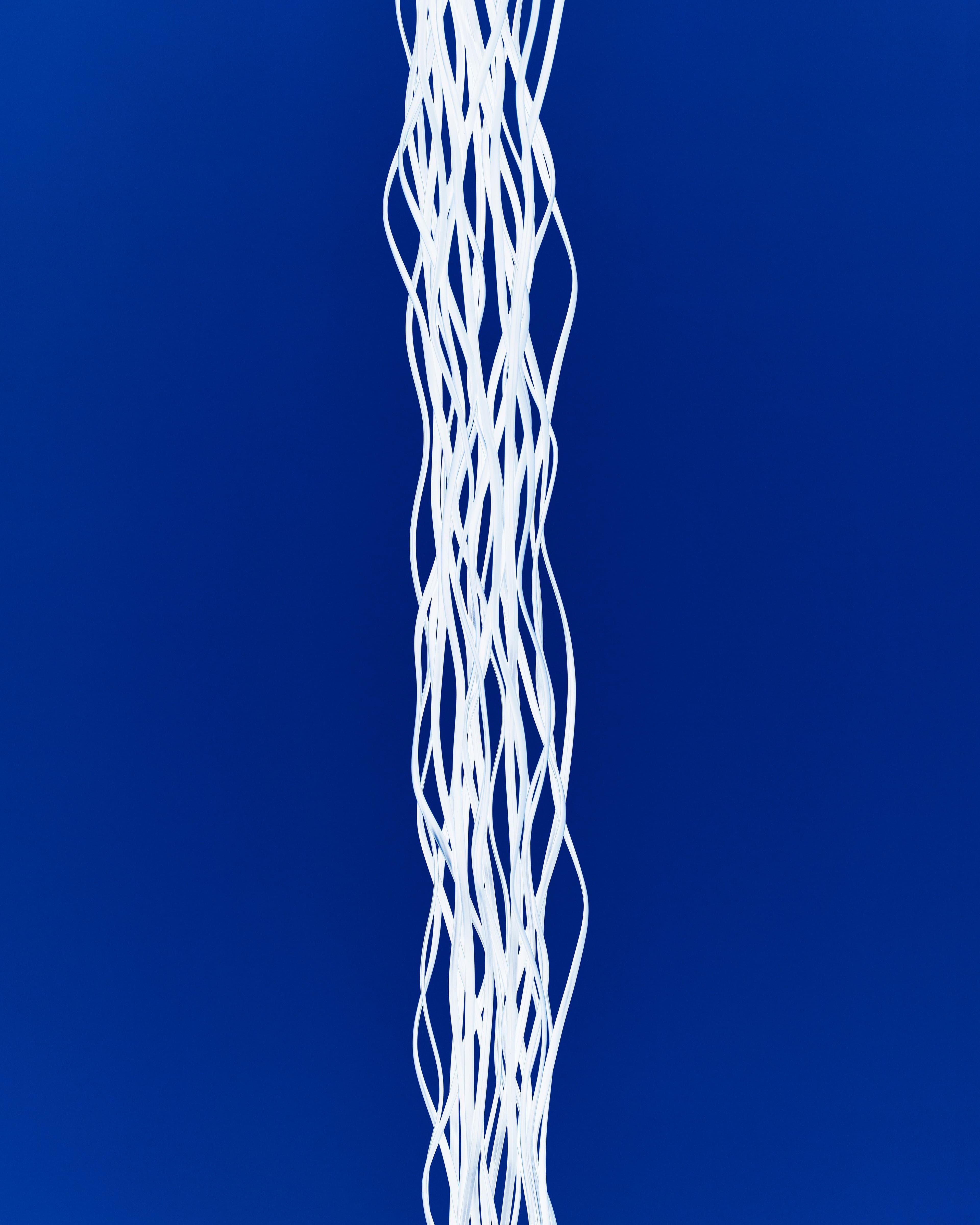
Field Readings I - Lines · 2026 · Archival pigment print on cotton rag · 32 × 40 in (81 × 102 cm) · 20 × 25 in (51 × 64 cm) · 32 × 40: Edition of 5 + 2 AP · 20 × 25: Edition of 7 + 2 AP
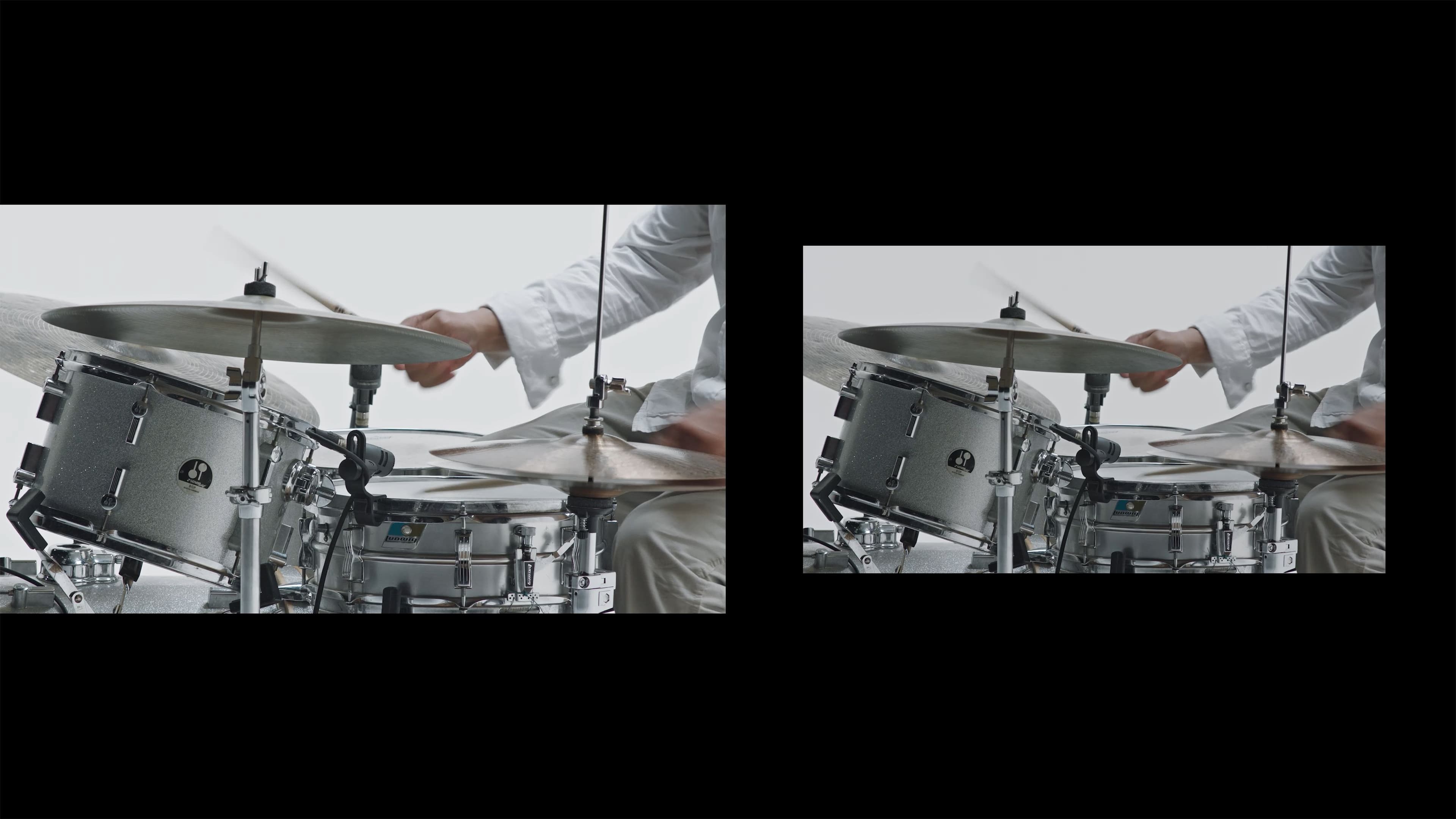
Field Readings I · 2026 · Two-channel video installation
Project Statement
I grew up in an analog world. I'm raising a child in an algorithmic one. Field Readings I begins in the distance between those two realities.
The work begins from a proposition: that we are living through a technological rupture whose consequences may prove as profound as those of the Industrial Revolution—not simply in the tools we use, but in how we experience time, attention, and one another. We are among the last generations to carry a lived memory of a predominantly analog world. This is not nostalgia for what came before, but an attempt to register the passage itself while both systems still coexist.
The work does not illustrate this condition so much as perform it, using repetition, accumulation, interruption, and return as a living system.
A rotary telephone moves at the speed of a hand. A drummer works inside time, stretching and compressing it through rhythm and silence. Both make duration physical, even as each belongs to a larger system of transmission, pattern, and repetition.
In Field Readings I, journalist Bill Whitaker repeatedly answers rotary telephones inside a stark white room with no visible boundaries. Elsewhere, drummer Ryan Sawyer improvises alone. The two never meet. Beneath every ring, movement, and breath runs a persistent electrical hum—a low mechanical presence that never fully disappears.
What begins in restraint accumulates. Calls recur. Gestures repeat. Rhythms multiply. Sound thickens. Attention compresses. The space gathers pressure, breaks, falls quiet, and begins again.
The work inhabits a threshold between analog and algorithmic systems, bodily and computational time, presence and acceleration. Neither world appears in isolation. The old persists inside the new as the new reorganizes the conditions around it.
The stillness that follows is not an ending. It is the brief interval in which the body measures what has changed before the system begins again.
Come Out (study) · 2025 · Video: 9 min
Project Statement
Come Out (study) is a fragmented portrait of a Black teenager with albinism, set against Steve Reich’s Come Out (1966). Reich built the piece from the recorded testimony of Daniel Hamm, one of the Harlem Six. After police refused to acknowledge his injuries, Hamm opened a bruise so the blood would “come out to show them.” He had to make his body visible in order to be believed.
As Reich’s phrase fractures and accumulates, the image skips and repeats with it. With each repetition, looking turns into scrutiny, and recognition into classification. The work asks whether difference can remain visible without becoming the measure of the person being seen. Its attention stays on the act of looking, and on the histories that shape what we think we see.